Powder fluidity is related with powder size, shape, specific surface and roughness. In recent years, it has been a focus for some branches of powder industry and even a necessary parameter to guide some production techniques.
In general, powder is the aggregation of solid, liquid and air.
However, powder fluidity is a concept for powder aggregation instead of for single powder unit. It is also influenced by equipment and external factors (such as temperature and humidity). This means that it is not so practical to use powder fluidity to guide production for special industry or enterprises. But powder rheometer can be helpful in solving this problem. 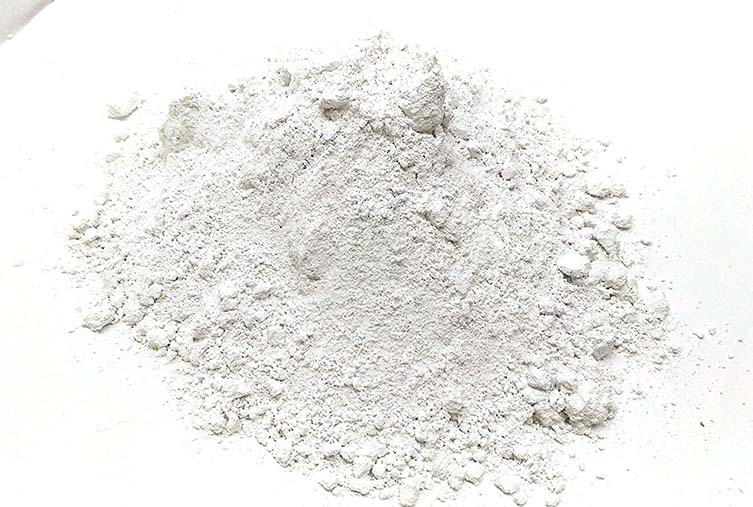
Studies on powder fluidity can improve our understanding on production technique and unit operation, such as pipe conveying, mixing, mixing granulation, capsule filling ( sachet packing) and tablet pressing. During these processes, powder can be differently pressurized and have different fluidity. Equipment change (e.g., adopting material and production equipment at lower expense) will also lead to change of powder fluidity, although normal property of powder, such as size and size distribution, keep the same. It can also further lead to a series of problems during production, including pipe clogging, non-uniform mixing and batch non-uniformity.
All in all, powder is a key factory for the high efficiency, output and quality of production. It is necessary to quantify powder fluidity with some characterization methods. As a result, we can understand powder production and processing adequately, overcome challenges and problems during processing and make more economic and higher-efficient decision on material or technique change.


